


Industrial and Commercial Energy Storage Solutions
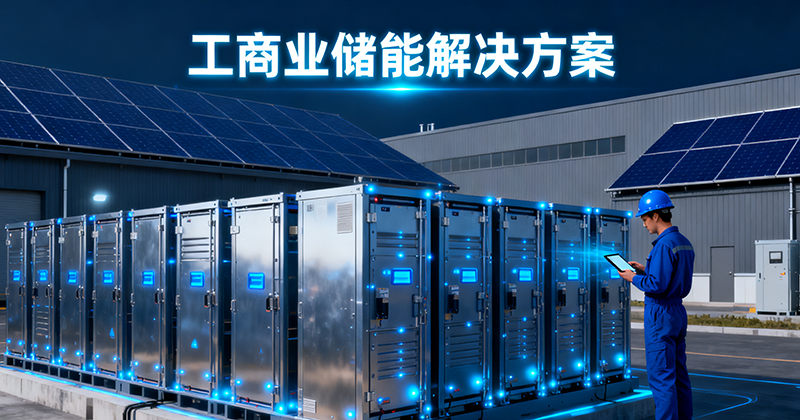
Factory rooftop photovoltaics combined with industrial and commercial energy storage represent a distributed energy solution that leverages unused factory rooftops to install solar arrays paired with lithium iron phosphate energy storage systems. This approach aims to enable industrial and commercial users to achieve self-sufficiency in green electricity, optimize costs, and coordinate with the grid, thereby supporting the industry’s low-carbon transition.
Professional


Industrial and Commercial Energy Storage Solutions

Factory rooftop photovoltaics combined with industrial and commercial energy storage represent a distributed energy solution that leverages unused factory rooftops to install solar arrays paired with lithium iron phosphate energy storage systems. This approach aims to enable industrial and commercial users to achieve self-sufficiency in green electricity, optimize costs, and coordinate with the grid, thereby supporting the industry’s low-carbon transition.
System Components and Operating Principles
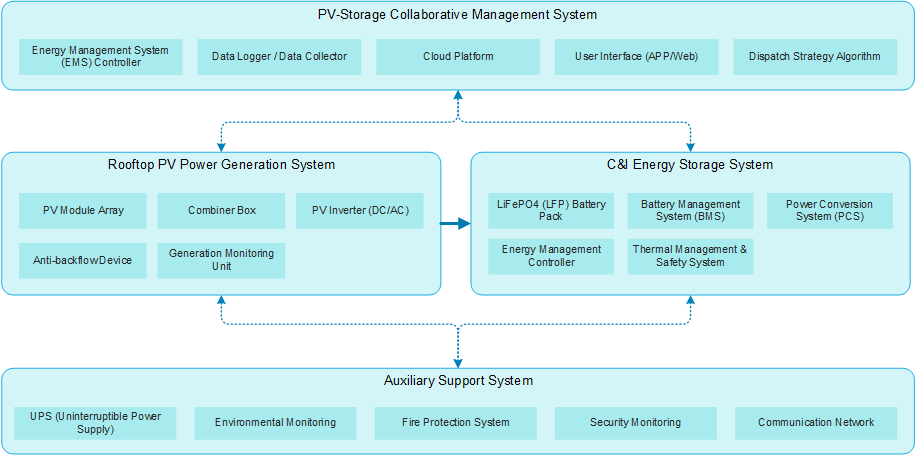
- Roof-mounted Photovoltaic Power Generation System:
Comprising mono-/polycrystalline PV modules, string inverters, combiner boxes, and corrosion-resistant, wind-resistant mounting structures, this system utilizes factory rooftop space to deploy PV arrays that convert solar energy into direct current (DC). After conversion to alternating current (AC) via inverters, the electricity prioritizes supplying on-site loads, achieving “self-generation for self-consumption.” Surplus energy can be stored in energy storage systems or fed into the grid at market-based rates. - Commercial & Industrial Energy Storage System:
Features integrated lithium iron phosphate storage cabinets incorporating Battery Management Systems (BMS), Power Conversion Systems (PCS), and liquid-cooled temperature control units. Charges from the grid during off-peak hours, stores surplus solar power, and discharges during peak demand periods, insufficient solar output, or high-cost electricity periods to replace expensive grid power. - Photovoltaic-Storage Synergy Management System:
Based on an AI Energy Management System (EMS), it connects PV, storage, and load equipment via multi-protocol compatibility technology. Achieves PV output forecasting with over 95% accuracy and dynamically adjusts charging/discharging strategies. Supports peak-valley arbitrage and demand control modes, responding to load fluctuations and electricity price changes within minutes. - Auxiliary Protection System:
Equipped with aerosol + perfluorohexane fire suppression systems and IP55-rated cabinets. Combined with fire-resistant cable routing and reinforced bracket structures, it adapts to complex rooftop operating environments, ensuring system safety and stability.
Core Advantages

Economic Efficiency
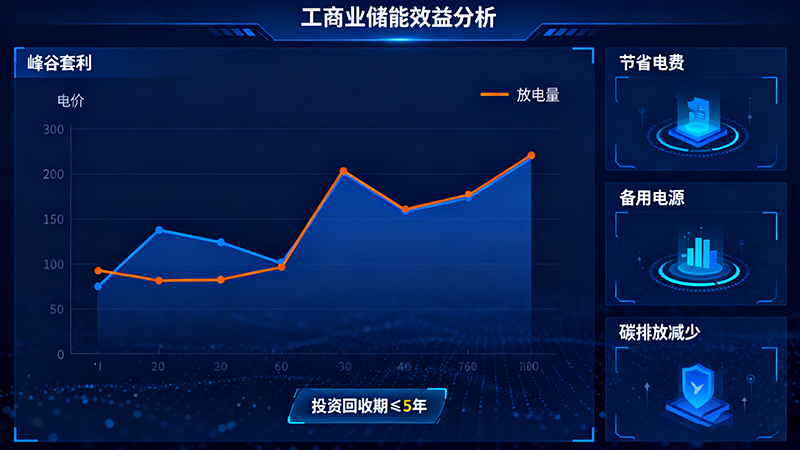
Reduce electricity procurement costs through self-consumption of photovoltaic power. Minimize expenses via energy storage arbitrage between peak and off-peak periods and demand charge management. Lower power conversion losses with DC-coupled architecture. In certain regions, generate additional revenue through green certificate trading and virtual power plant services.

Reliability
The energy storage system can switch to off-grid mode during grid failures, ensuring power supply to core production equipment. Photovoltaic-storage coordination smooths out fluctuations in PV output, preventing voltage instability from affecting precision equipment.

Environmental Sustainability
Each megawatt of PV reduces annual carbon emissions by over 800 tons. The system boosts green electricity utilization rates to over 90% and automatically generates carbon emission reports to support carbon quota trading, helping enterprises achieve their dual carbon goals.

Shared Accessibility
Built on unused rooftops without occupying production land, the modular design supports phased expansion (installing PV first, adding storage later) and adapts to diverse factory structures and power demands.
Application Scenarios


Industrial Park Clusters
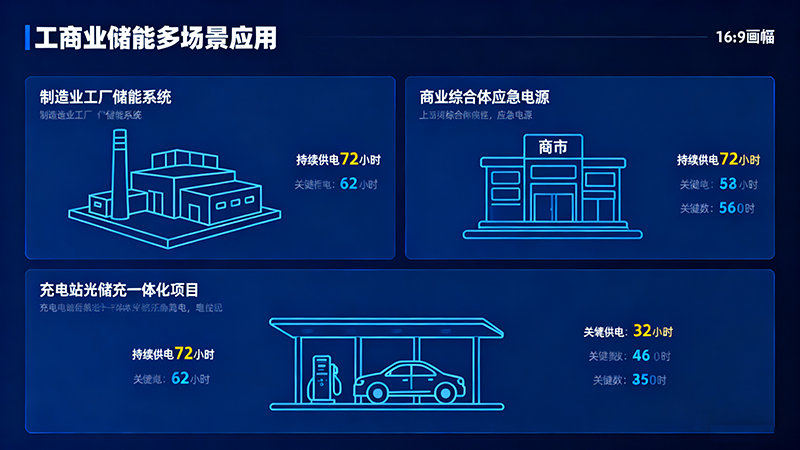
Multiple enterprises share a pool of solar and storage resources, participating in grid peak shaving through virtual power plant aggregation to optimize collective returns.
Data Centers
Roof-mounted PV provides base power, while energy storage ensures uninterrupted supply, meeting data centers’ high reliability and low-carbon requirements.


Commercial Complexes
Shopping malls, hotels, and other buildings install rooftop PV systems, with energy storage matching peak electricity demand during high foot traffic to enhance energy self-sufficiency.
Manufacturing Plants
High-energy-consuming enterprises like electronics and machinery manufacturers reduce production electricity costs through photovoltaic-storage synergy. Siemens’ Nanjing plant has implemented a benchmark case.
Contact Us
 Room A, 1st Floor, Building 1, No. 8 Jiulong Road, Hangji Town, Eco-Science City, Yangzhou City
 86-025-85768777
 service@marssoil.cn
Follow Us

WeChat
Copyright © 2025 Marssoil Smart Energy