

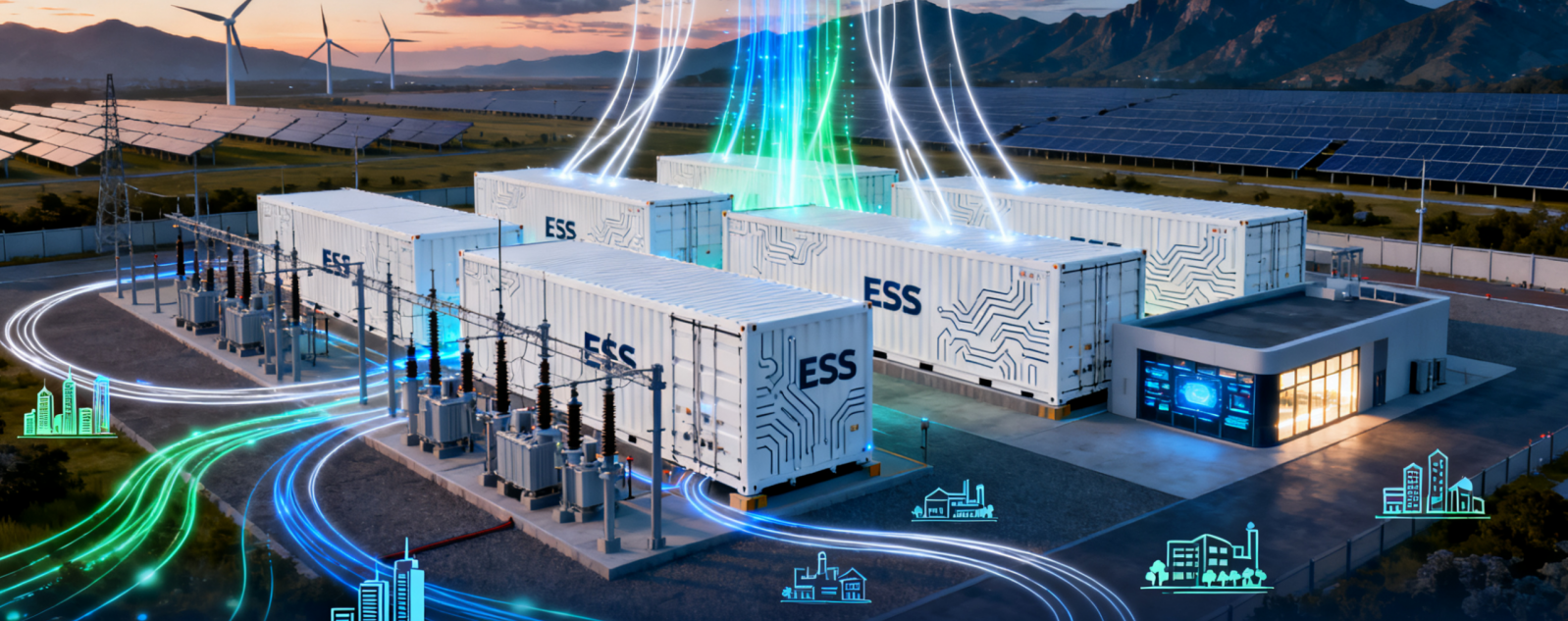
Shared Energy Storage Station Solution
Large-scale lithium iron phosphate shared energy storage stations constitute integrated energy facilities centrally constructed and operated by third parties, offering shared access to energy storage resources across multiple entities. These facilities aim to enhance grid regulation capabilities, facilitate renewable energy integration, and promote the efficient utilisation of energy storage resources.
Professional


Shared Energy Storage Station Solution

Large-scale lithium iron phosphate shared energy storage stations constitute integrated energy facilities centrally constructed and operated by third parties, offering shared access to energy storage resources across multiple entities. These facilities aim to enhance grid regulation capabilities, facilitate renewable energy integration, and promote the efficient utilisation of energy storage resources.
System Components and Operating Principles
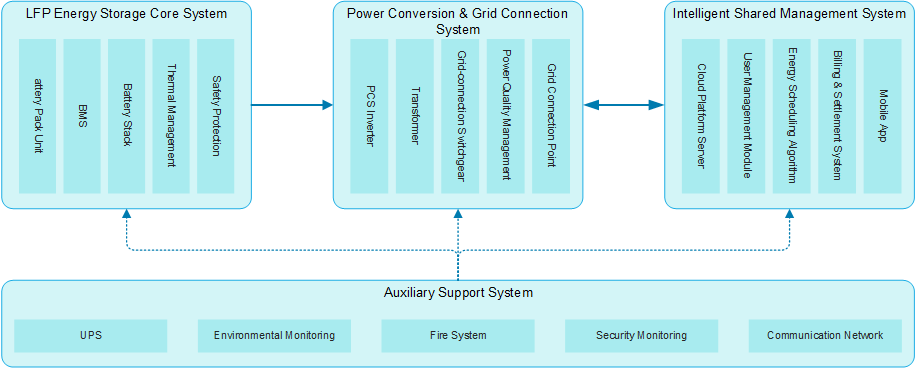
- Lithium Iron Phosphate Energy Storage Core System:
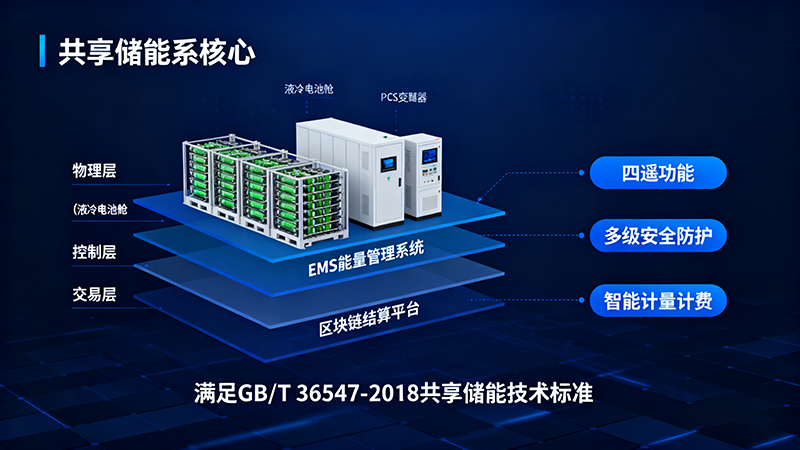
Utilizes 3.2V high-capacity lithium iron phosphate cells (e.g., 314Ah specification), based on standardized storage units such as 5MW/10MWh. Achieves plug-and-play functionality through prefabricated outdoor container deployment. The Battery Management System (BMS) continuously monitors cell voltage and temperature, ensuring extended cycle life and operational safety. Static investment per kilowatt-hour can be as low as 1,350 yuan. - Power Conversion and Grid Integration System:
Includes power conversion systems (PCS), 35kV equipment enclosures, and step-up substations. Enables bidirectional conversion between DC and AC power, connects to the main grid via grid integration interfaces, and responds to grid AGC commands for power regulation. - Intelligent Shared Management System:
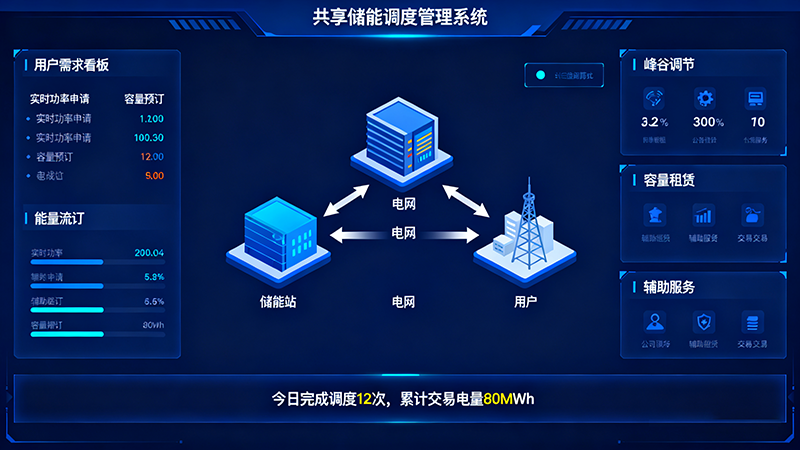
The Energy Management System (EMS) integrates AI and IoT technologies to consolidate dispersed energy storage resources into a shared resource pool. It automatically optimizes charging/discharging strategies and capacity allocation based on electricity market prices, renewable energy output, and user demand, enabling multi-party coordinated dispatch and remote monitoring. - Supportive Protection System:
Equipped with an efficient thermal management system to maintain optimal battery operating conditions. Integrated with fire warning and emergency response devices, combined with site selection strategies that avoid ecologically sensitive areas, to enhance system operational stability.
Core Advantages

Economic Efficiency
Generate diversified revenue streams through arbitrage of peak-off-peak price differentials, capacity leasing fees, and participation in ancillary services such as frequency regulation reserve. Centralized construction reduces unit investment costs, while capacity compensation policies in provinces like Shandong further ensure stable returns.

Reliability
Lithium iron phosphate technology offers high safety and long cycle life. The system can rapidly respond to grid frequency fluctuations, provide emergency backup power during grid failures, and enhance the power system’s disturbance resistance.

Environmental Sustainability
Annually supports over 4 billion kilowatt-hours of new clean energy generation, stabilizes fluctuations in wind and solar power output, reduces curtailment losses, and contributes to achieving the dual carbon goals.

Shared Accessibility
Breaking away from the “build-and-use-for-own-purposes” model, energy storage resources are now accessible to multiple stakeholders including new energy stations and industrial/commercial users. This shift has elevated energy storage utilization rates from below 30% in decentralized systems to over 60% in centralized shared configurations.
Application Scenarios


Grid-Side Peak-Shaving Base
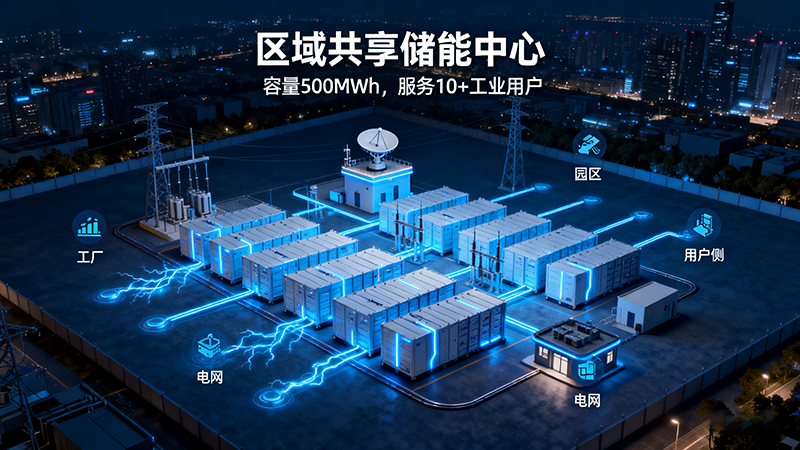
Located near substations or industrial parks, such as the Xundian Jinsuo District project, it charges and discharges 800,000 kWh daily to address insufficient grid peak-shaving capacity.
Commercial & Industrial Cluster Sharing
Provides capacity leasing services to multiple factories and industrial parks, replacing decentralized storage construction and reducing corporate energy costs.


Renewable Energy Support Storage
Integrated with wind and solar power bases, such as the supporting project for Gansu’s 1-million-kilowatt wind power base, it smooths output fluctuations and enhances absorption rates.
Regional Emergency Assurance
Serves as an emergency storage center for cities or counties, ensuring power supply to critical loads like hospitals and transportation hubs during extreme conditions.
Contact Us
 Room A, 1st Floor, Building 1, No. 8 Jiulong Road, Hangji Town, Eco-Science City, Yangzhou City
 86-025-85768777
 service@marssoil.cn
Follow Us

WeChat
Copyright © 2025 Marssoil Smart Energy